
The community of Eshowe in KwaZulu-Natal has been lauded for its stellar efforts in reaching the 90-90-90 United Nations Aids target ahead of the 2020 deadline.
The ambitious target calls on countries to reach the goals of having 90% of people with HIV diagnosed by 2020; 90% of diagnosed people on antiretroviral treatment by 2020 and 90% of people on treatment with fully suppressed viral load by 2020.
Not only did the small community of Eshowe reach the deadline ahead of time, but it exceeded its target by obtaining a 90-94-95 target.
This means that 90% of people living with HIV have been diagnosed, while 94% of those diagnosed are on antiretroviral treatment and 95% of people on treatment have a fully suppressed viral load.
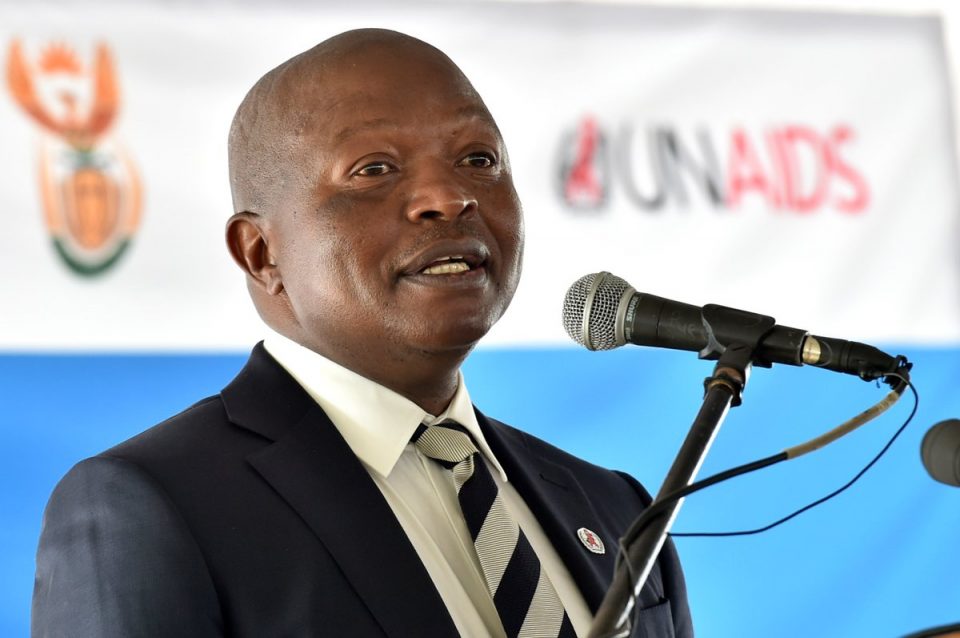
This achievement was lauded at the official launch of the UNAIDS Global Report on the latest data on the HIV epidemic at the King Dinuzulu Stadium in Eshowe, KwaZulu-Natal.
The report contains the latest information on progress and challenges in the AIDS response and highlights the enormous impact community health workers have in successfully expanding access to treatment, supporting adherence and preventing new HIV infections.
This victory has been attributed to the joining of hands by government, activists and global partners such as UNAIDS – with communities at the heart of the efforts.
Deputy President David Mabuza officiated the official launch of the report.
He was accompanied by Health Minister Zweli Mkhize, UNAIDS Deputy Executive Director Gunilla Carlsson and KZN Premier Sihle Zikalala.
Mabuza said the success of the work done is a testament to the power of social capital.
“It reminds us of the social capital vested in our communities. This social capital needs to be harnessed to help guide our response,” said the Deputy President.
Carlsson, who released the report, said by placing communities at the centre, South Africa has made a dent in the epidemic.
“South Africa has turned its epidemic around by focusing its policies and programmes on people and not diseases,” said Carlsson.
Since 2010, new HIV infections have been reduced by 25% among young women.
