
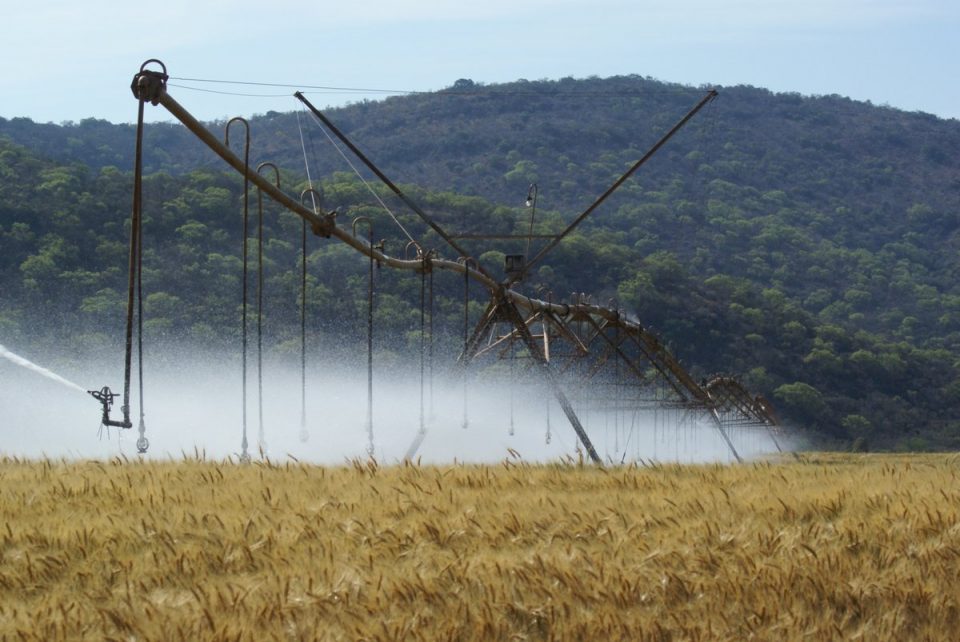
While South Africa’s largest water user is the agricultural sector, in Gauteng; industrial water use is the highest, this is according to the research study made by the Council for Scientific and Industrial Research (CSIR) and Stellenbosch University which quantify water use across the country.
CSIR research group leader Dr Nebo Jovanovic says “An ability to quantify water use is key to the planning, management and allocation of water resources, especially in an arid region such as South Africa.”
Researchers monitored water use changes on a national and provincial basis over 15 years, between 2000 and 2015. The land-use data recorded include wetlands, natural vegetation, grasslands, cultivated land and mines. Other data include rainfall, evapotranspiration and climate variability.
Given the widespread use of satellite-derived data for the estimation of evapotranspiration, Jovanovic explains that an investigation into the meaning of such data was imperative.
While an important finding relates to water use for agriculture, non-agricultural vegetated land consumes more water from vast areas of land. In this instance, the team recommends that non-commercial and non-conservation land under vast dense bush, open bush, grassland and low shrubland should be traded off to reduce the burden on water resources.
“Incentivising smart farming practices may also reduce the water volumes used in agriculture,” adds Jovanovic.
The study found that the discharge of wastewater, removal of underground water and waste disposal account for substantial water use due to industrial and mining activities.
“We recommend that mining houses remediate wastewater and re-use it for irrigation, power generation, fire-fighting and any other non-potable uses in close vicinity to the waste-generating streams,” says Jovanovic.
The team points to evapotranspiration as a key variable. In some urban areas, the total volume of water that evaporates is almost double the amount of water supplied to industry and domestic users. The team recommends that rain water be captured before it reaches the ground in urban areas. Finally, the study raises concerns regarding the decrease of areas under wetlands and fynbos, necessitating increased conservation efforts.
(Edited by Johanna Molokomme)
