
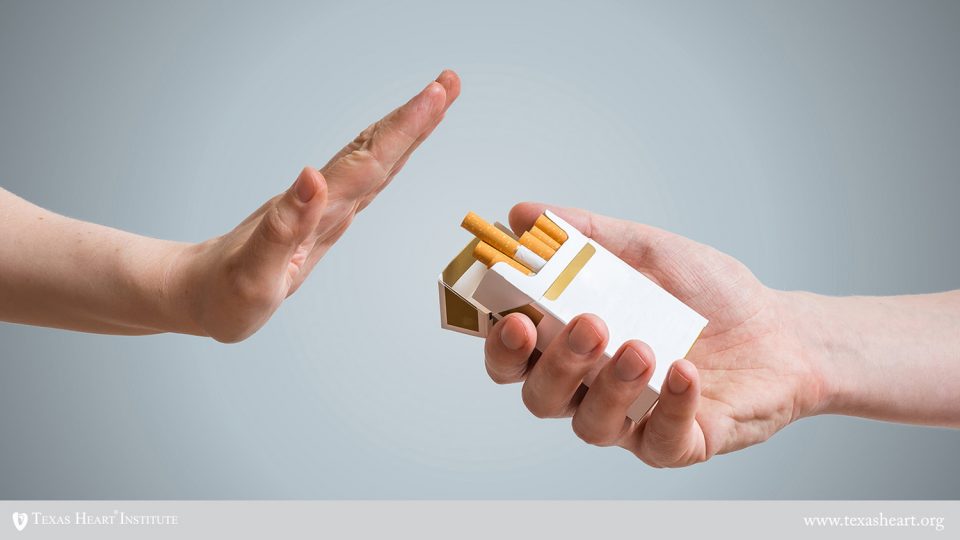
If you’ve finally reached a point in your life where you are ready to stop smoking, well done for making that decision! However, it’s not going to be easy and you need to make sure you are prepared. You will have to break your nicotine addiction, which may be difficult.
According to World Health Organisation Cardiovascular diseases (CVD) kill more people than any other cause of death worldwide, and tobacco use and second-hand smoke exposure contribute to approximately 17% of all heart disease deaths. Tobacco use is the second leading cause of CVD, after high blood pressure.
The global tobacco epidemic kills more than 7 million people each year, of which close to 900 000 are non-smokers dying from breathing second-hand smoke. Nearly 80% of the more than 1 billion smokers worldwide live in low- and middle-income countries, where the burden of tobacco-related illness and death is heaviest.
Here are some benefits of quitting:
- You’ll be able to exercise or be physically active with less shortness of breath.
- Your clothes, hair, body, car and home will smell better.
- Your sense of taste and smell will return to normal.
- The stains on your teeth and fingernails will start to fade.
- You’ll be able to exercise or be physically active with less shortness of breath.
- Your clothes, hair, body, car and home will smell better.
- Your sense of taste and smell will return to normal.
- The stains on your teeth and fingernails will start to fade.
Before you decide on your quit day, draw up a list of reasons for why you want to quit. When you want to smoke after you’ve quit, pull out that list and remind yourself why you are doing it.
A step by step plan to help you quit smoking. You will find guidelines, best practices, facts and tips to help you successfully reach your goal. The basic steps of quitting are the following:
- Make the Decision to Quit
- Understand Your High-Risk Times
- Stock Up on Supplies
- Pick a Quit Date
- Let People Know
- Remove Smoking Reminders
- Your Quit Date and the First 2 Weeks
- Maintenance and Coping Strategies
