
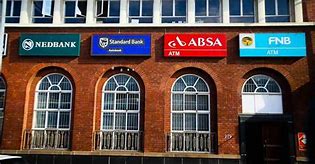
South African banks are concerned that some of their customer will flee without paying their debts.
President Cyril Ramaphosa recently signed National Credit Amendment Bill into law, setting the groundwork for over-indebted customers to have payments suspended.
“This should happen in part or full, for as many as 24 months, or even scrapped if their financial situation has been found to have been worse. The bill was opposed by banking industry, clothing retailers who provide credit and opposition Democratic Alliance. This is because it would drive up the cost of loans for low-income earners, restrict lending and encourage bad behavior from borrowers”, he said.
Managing director of the Banking Association of South Africa Cas Coovadia said that, it is disappointing as after their petition, the president made no attempt to interact with the industry and understand their concerns. This is an issue of serious concern.
“The association have an economic impact assessment and engaged the Department of Trade and Industry, which is spearheading the bill. It can also be found that banks will either have to price in higher risks or avoid lending to low-income customers altogether. It could have serious economic implications”, said Coovadia.
He added they will wait and gazette of the bill and details around its implementation, they will also sit down and consider other options.
“South Africa’s National Treasury estimates that the deb-relief proposals could result in the write-off R13.2 billion to R20 billion ($1.3 billion) of debt under provisions of the bill. The bill which provides for the extinguishing of the debt for customers who earn a gross monthly income on no more than R7, 500, have unsecured debt amounting to R50,000. This has been found to be critically indebted by the National Credit Regulator”, he said.
Coovadia said the six-member FTSE/JSE Africa Banks Index fell 0.7% by 12:09 pm in Johannesburg on Friday 17 August 2019. He added that this was led by Capitec Bank Holdings Ltd, the nation’s largest unsecured-credit provider, which was down by 2.3%.
